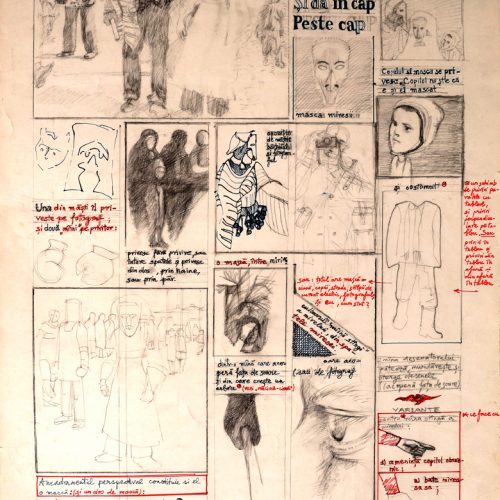
The Scripts section proposes a dialogue and an encounter between the artist text and the literary text, between the document zone and the fiction one, concurrently discussing the ability of the image to acquire the consistency of writing and the ability of texts to evoke the visual and the filmic. The Scripts evince a strong subjective facet, archiving visual materials, performative writings, literary texts and artist texts which make up a universe of resources, references and (real or poetical) connections helping to outline the evolution of the artistic and literary climate in Romania and elsewhere. The Scripts reactivate the link between the cultural memory of a place and personal memory, between the communal and the individual space, between the multiple theoretical, discursive and performing approaches to image, representation, movement or the aesthetic object and the open field of literary narration.
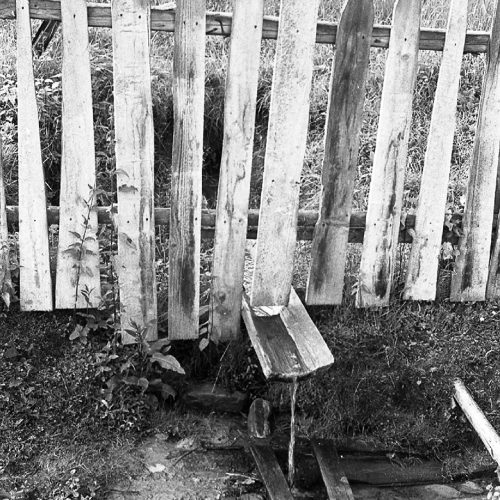
The fact that I lived for a longer period of time in a village, in a peasant house, was for me like an unexpected rebirth. As a child, I had traveled to the countryside several times with my father—an admirer of peasant culture. In the early ‘70s, I rediscovered and gained deeper insight into it, […]
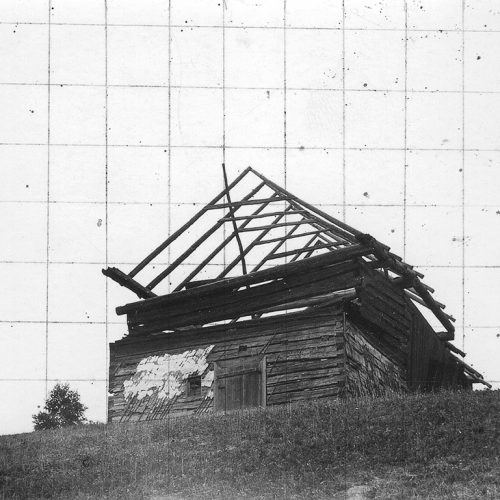
[1]1972 March 27th–VI–72 Clear sky in the morning, good weather for landscape painting—two paintings on cardboard: Pietrosul and Haystacks—Tede is here—I peeled some potatoes for a dish of mashed potatoes, cut some wood—A light rain is falling; the surrounding hills are fading in the mist—It’s wet and chilly—cold. Pietrosul—continued my attempt at a study—followed the […]
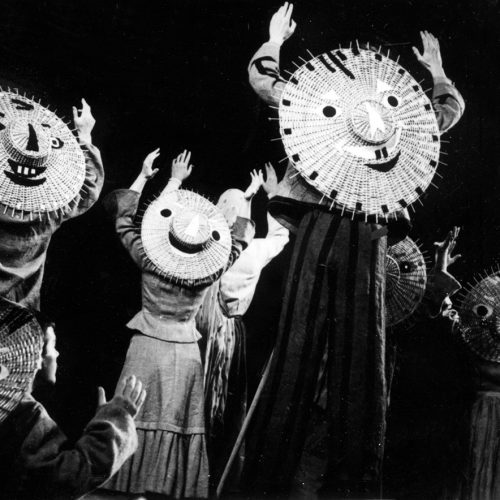
29 May 1965[1] [2] At the 12th season of the Theatre of Nations in Paris, the Bucharest-based Comedy Theatre was a revelation, especially owing to director David Esrig’s participation. Whatever our reservations may be in connection with his vision of Troilus and Cressida, the performance revealed a world-class theatre director. He is the first to […]
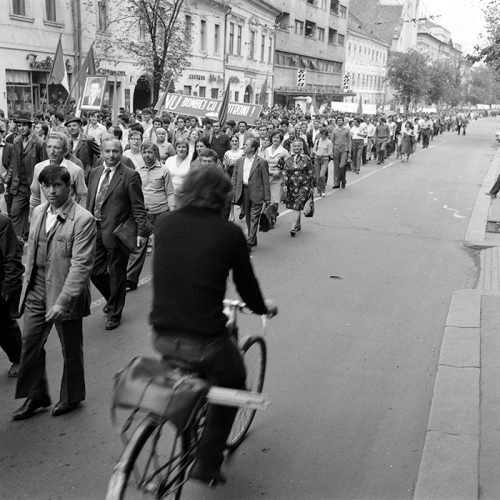
In order to serve as a public archive, the materiality of the cluster of images stored by Făclia and Igazság newspapers in the form of darkened photographic negatives had to be transferred into another medium by means of technology.[1] This defined a certain opening of the body of images, which acted also as a connection […]